Disposable gloves play a critical role in hygiene, safety, and contamination control across many industries. From healthcare and food service to janitorial and industrial environments, the right gloves help protect both users and surfaces while supporting efficient daily operations.
ProStar's selection of disposable gloves is designed to meet the practical needs of professionals who rely on consistent quality, fit, and protection. Whether you need medical gloves for exams and clinical procedures, safety gloves for workplace protection, or disposable options for cleaning, food handling, or chemical exposure, you’ll find solutions suited to your specific application.
Choosing the right disposable glove depends on your application. Here's how the main types compare.
Nitrile gloves are a popular choice due to their strength, puncture resistance, and latex-free composition. These nitrile exam gloves are commonly used in healthcare and laboratory settings. Explore our full range of nitrile gloves for medical and industrial use.
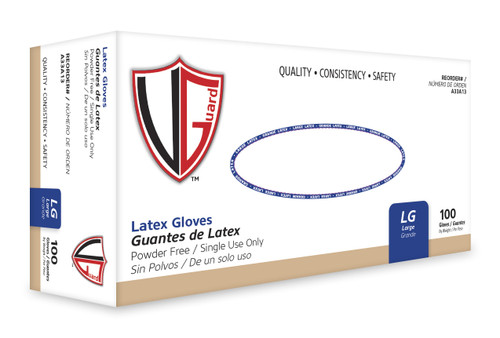
Latex gloves provide excellent flexibility and tactile sensitivity, making them suitable for precision tasks where comfort matters. They are widely used in medical and dental environments. View our available latex gloves to find the right fit.
For lighter tasks, vinyl gloves offer a cost-effective solution for food service, cleaning, and short-duration use. Our vinyl gloves are ideal when frequent glove changes are required.
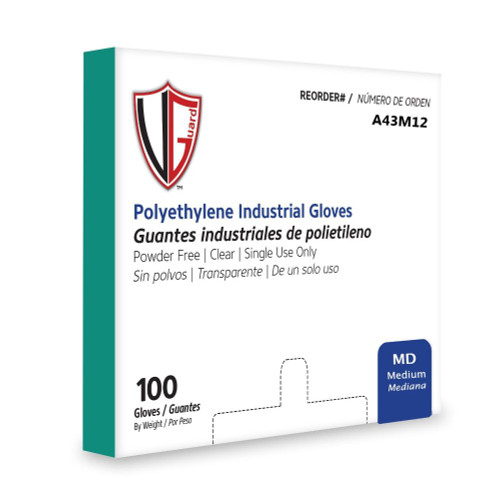
Poly gloves, also known as polyethylene gloves, are commonly used in food prep and quick service settings where fast donning and disposal are essential. Browse our polyethylene gloves for simple, lightweight protection.
For tasks requiring heavy-duty or specialized protection, ProStar also supplies reusable work gloves designed for demanding conditions.
No matter the task, choosing the right disposable gloves helps maintain safety standards, reduce cross-contamination, and support efficient workflows.
Selecting disposable gloves for your facility requires matching glove type to your specific tasks and requirements:
Match glove thickness and material to the actual exposure risks of the task. Avoid using heavy protection for simple jobs or light gloves for hazardous work. Finding the right balance improves safety while keeping costs under control.
Explore more of our facility solutions:
Soap/Hand Care | Paper Products | Restroom Supplies | Cleaning Supplies | Gloves | Matting | Receptacles/Trash Bins | Equipment | Facility Maintenance Supplies
Browse the complete collection at ProStar to find everything your facility needs in one place.
Disposable gloves are used to protect hands from contamination, chemicals, and pathogens in healthcare, food service, cleaning, and industrial settings.
Nitrile exam gloves are commonly preferred for medical use because they are durable, puncture-resistant, and latex-free.
Nitrile gloves offer better chemical resistance and eliminate latex allergy concerns. Latex gloves provide superior elasticity and comfort for some users.
Vinyl gloves and poly gloves are widely used in food service for short-term tasks and frequent glove changes.
A proper fit should feel snug without restricting movement. Gloves that are too loose reduce control, while tight gloves may tear more easily.
The main types of disposable gloves include nitrile gloves (puncture-resistant, latex-free), latex gloves (flexible, tactile sensitivity), vinyl gloves (economical, light-duty), and poly gloves (lightweight food service).
Medical gloves are made to meet FDA standards and are tested to provide reliable barrier protection, including resistance to viral penetration. Non-medical gloves are intended for everyday tasks like food service, cleaning, and general handling, where medical-grade regulatory requirements are not necessary.
Vinyl gloves and poly gloves are safe and suitable for low-risk food preparation. Due to this, they are widely used in food service for short-term tasks and frequent glove changes.
Use insulated work gloves in cold, wet, or hazardous environments where thermal protection and durability matter, such as freezers, cold storage, outdoor winter work, or construction settings. Disposable gloves are better suited for short-duration, contamination-sensitive tasks like medical work, food handling, or cleaning, where dexterity, hygiene, and frequent glove changes are more important than heavy protection.
The best glove material depends on the type of chemicals being used. However, nitrile gloves are widely used because they offer good resistance to many oils, solvents, and common chemicals. For more specialized chemicals, materials like neoprene, PVC, or butyl rubber may be more appropriate. Always refer to a chemical compatibility chart to ensure the glove material provides proper protection for your specific application.