Healthcare facilities, clinics, and industrial environments depend on reliable medical supplies to protect staff and patients from contamination and exposure risks. Running out of gloves during procedures, finding expired masks during inspections, or lacking proper cleanup materials can lead to safety violations and serious health concerns.
Quality medical supplies support infection control standards, help meet regulatory compliance, and protect workers handling hazardous materials. The right medical PPE supplies reduce cross-contamination, prevent workplace injuries, and support smooth inspections. Hospitals, laboratories, manufacturing plants, and first responder teams rely on well-stocked supplies that perform consistently when it matters most.
Different facilities and applications require specific safety equipment based on their exposure risks and regulatory requirements. Understanding the main categories helps you stock appropriate protection for your staff and operations.
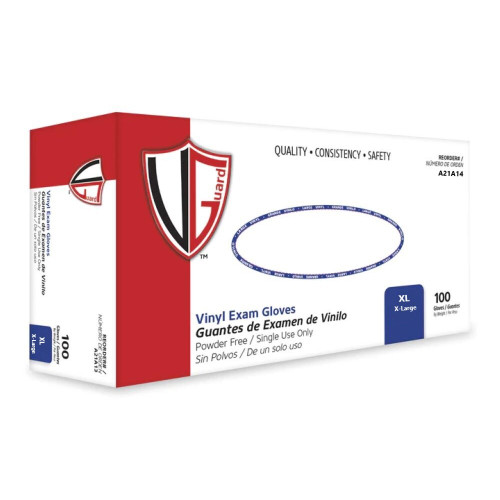
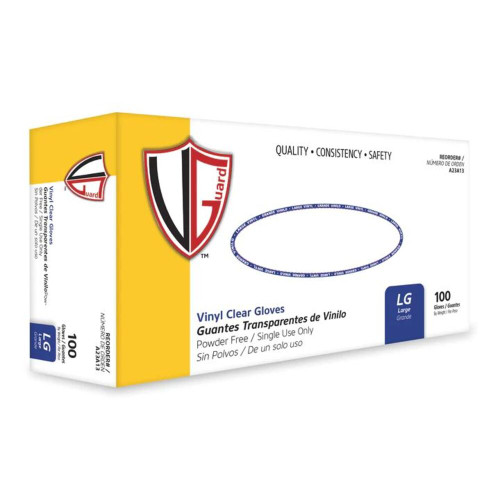
Disposable gloves form the foundation of medical personal protective equipment across healthcare and industrial settings. Medical gloves come in several materials, each suited to different applications and user needs.
For industrial and chemical-handling environments, selecting the right safety gloves depends on the specific chemicals involved. Always review chemical compatibility charts to ensure the glove material provides adequate protection for hazardous material handling.
Medical masks protect against airborne particles and fluid splashes in healthcare and industrial environments. Disposable face masks for healthcare come in several protection levels.
Featuring basic procedure masks for standard use, higher-filtration masks for aerosol-generating procedures, and specialized respirators for hazardous exposures.
Healthcare PPE supplies must meet specific regulatory standards. ASTM-rated medical masks indicate tested performance for bacterial filtration, particle filtration, and fluid resistance. Stock masks appropriate for your facility's exposure risks rather than assuming all masks provide equivalent protection.
Bloodborne pathogen cleanup kits contain the tools and materials needed to safely handle biological spills and contamination incidents. These kits include absorbent materials, disinfectants, personal protective equipment, and disposal bags required for OSHA-compliant cleanup procedures.
Cleanup kits for various hazards ensure your facility can respond immediately to spills and accidents without scrambling to find supplies. Pre-assembled kits save critical time during emergencies when proper containment and cleanup prevent larger contamination problems.
Facilities handling biological materials, healthcare operations, and any workplace where bloodborne pathogen exposure might occur need these kits to be readily accessible. Regular inspection ensures kits remain fully stocked and materials haven't expired.
Selecting medical supplies for healthcare and industrial facilities requires matching products to your specific exposure risks and regulatory requirements:
When you buy PPE for healthcare online, verify certifications and ratings match your compliance needs. Medical personal protective equipment that doesn't meet required standards creates liability regardless of cost savings.
ProStar offers comprehensive medical supplies and healthcare PPE supplies designed for professional medical, industrial, and safety applications. Our selection includes medical gloves in all major materials, medical masks meeting ASTM standards, and bloodborne pathogen cleanup kits that support OSHA compliance programs.
We understand that facilities need reliable supplies available when safety situations arise. Our range covers basic protective equipment for routine use and specialized supplies for high-risk applications. Whether you manage a healthcare facility, industrial plant, or laboratory, our inventory provides medical PPE supplies that meet professional standards.
Explore more of our facility solutions:
Cleaning Supplies | Restroom Supplies | Gloves | Dispensers | Matting | Receptacles/Trash Bins | Equipment | Batteries
Browse the complete collection at ProStar to find everything your facility needs in one place.
Nitrile exam gloves resist punctures and chemicals better while being latex-free, making them suitable for people with latex allergies. Latex gloves provide superior tactile sensitivity and elasticity preferred for surgical procedures. Choose based on your specific tasks and allergy considerations.
Nitrile gloves are latex-free, more durable, and resistant to chemicals, while latex gloves offer flexibility and comfort but may cause allergic reactions in some users.
No. Basic procedure masks filter large particles. Higher-rated masks offer better filtration for smaller particles and aerosols. Check ASTM ratings for bacterial filtration efficiency, particle filtration, and fluid resistance levels appropriate for your exposure risks.
Not necessarily. Medical exam gloves are designed for biological protection. Chemical handling requires gloves rated for specific chemicals in your facility. Check chemical compatibility charts and use task-appropriate gloves to ensure adequate protection.
Measure around the dominant hand at the widest part, excluding the thumb. Small fits 7-8 inches, medium 8-9 inches, large 9-10 inches, and extra-large over 10 inches. Properly fitted gloves reduce hand fatigue and improve skill during extended use.
Essential components include personal protective equipment (gloves, mask, eye protection), absorbent materials, disinfectant, biohazard bags, and cleanup instructions. Kits should meet OSHA bloodborne pathogen standard requirements for your facility type and size.
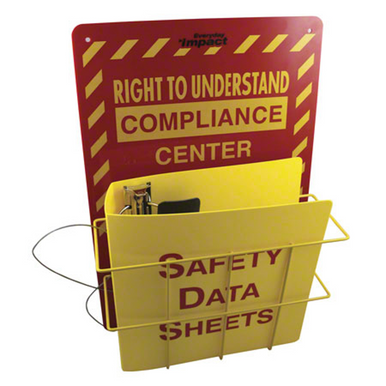
You can buy an SDS Right to Know binder online in the USA directly from ProStar’s official store, where they offer compliant, durable binders for workplace safety documentation.