Running a restaurant, catering business, or food truck means relying on disposable food packaging every day. Takeout containers, clamshell boxes, bowls, plates, cups, lids, and cutlery are used with nearly every order. When disposable food packaging is not strong, issues surface quickly.
Containers leak during delivery, plates soften under hot or saucy foods, and cups bend or collapse when customers pick them up. These problems lead to wasted food, customer complaints, and unnecessary reordering.
Quality disposable food packaging helps operations stay consistent while keeping costs under control. The right packaging holds up to your menu, supports accurate portioning, and protects food from prep to pickup. Restaurants, cafeterias, food trucks, and catering operations all depend on disposable food packaging that performs the same way during breakfast, lunch, and dinner service, without surprises.
Different food service operations need different packaging solutions based on their menu, service style, and volume. Understanding the main categories for disposable food packaging helps you stock supplies that match your actual needs.
Disposable cups handle everything from morning coffee to evening sodas. Plastic cups work for cold beverages and outdoor events where glass is not ideal. Insulated foam cups are a popular choice for hot drinks because they retain heat without requiring sleeves, keeping beverages warm for 30+ minutes while protecting customers’ hands from burns.
Bulk disposable cups and cutlery for restaurants reduce per-unit costs significantly when ordering by the case. A case of 1,000 cups costs 60% less per cup than buying smaller quantities. Calculate your weekly usage and order enough to last 2-4 weeks for the best pricing.
Paper plates in wholesale quantities save money for high-volume operations. Heavy-duty versions handle saucy foods and hot entrees without soaking through or bending. Light-duty plates work fine for cake, snacks, and dry foods at catering events where structural strength matters less.
Foodservice disposable plates and utensils wholesale pricing makes sense for operations serving 100+ meals daily. The cost difference between retail and wholesale adds up quickly when you are going through cases like this every week.
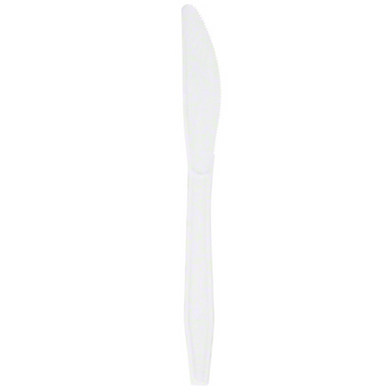
Disposable cutlery needs to be sturdy enough to actually cut food. Cheap disposable flatware snaps when customers try using it, creating poor dining experiences. Medium-weight options balance cost and functionality for most fast food and takeout operations.
Match your cutlery grade to your menu. Use light-weight cutlery for snacks and desserts, medium-weight for most foods, and heavy-duty for steaks and dense entrees. The wrong grade either wastes money or frustrates customers.
Disposable containers come in dozens of configurations for different foods. Hinged-lid styles work for sandwiches and salads. Multi-compartment containers keep sides separate from entrees. Commercial disposable food containers and lids need to be sealed properly to prevent spills during delivery.
Fast food takeout packaging supplies bought in bulk help reduce costs and ensure you don’t run out during peak hours. Soup containers, in particular, need secure lids since leaks during delivery lead to the most customer complaints. Matching container sizes to your portions also helps avoid unnecessary packaging costs.
Selecting wholesale foodservice supplies for your operation requires balancing several factors:
When shopping for the best foodservice equipment and supplies, verify that lids and containers from the same product line actually seal properly before ordering in bulk. Mismatched components leak during transport regardless of individual quality.
ProStar offers comprehensive disposable food packaging designed for high-volume food service operations. Our range includes everything from disposable cups and plastic cups to foam cups, paper plates, disposable cutlery, disposable flatware, and disposable containers that meet the daily demands of restaurants, catering companies, and institutional food service.
We understand that food service businesses need reliable supplies at competitive prices.
Our selection covers both traditional and eco-friendly options, allowing you to match products to your operational needs and customer preferences. Whether you're running a quick-service restaurant or a full-scale catering operation, our inventory provides solutions that work in real-world conditions.
Beyond packaging, we stock the complete range of supplies food service operations need daily. Disposable gloves keep food safe during prep and service, while our other facility supplies support your complete operation.
Explore more of our facility solutions:
Cleaning Supplies | Restroom Supplies | Safety Equipment | Dispensers | Receptacles/Trash Bins | Equipment
Browse the complete collection at ProStar to find everything your facility needs in one place.
Light-duty disposable flatware breaks easily and is best for snacks and desserts. Medium-weight disposable flatware handles most meals and costs less than heavy-duty options. Heavy-duty disposable cutlery cuts through steak and dense foods without flexing. So, make sure to match the flatware grade to your menu items and customer expectations.
To calculate the right order quantity for disposable containers, start by counting your average daily orders, then multiply by seven to estimate weekly usage. Add a 20% buffer to avoid running short. Restaurants ordering disposable containers as part of their wholesale foodservice supplies often restock every two to three weeks to balance storage space and bulk pricing.
Foam cups hold heat longer and usually don’t require sleeves, which lowers cost per serving. These insulated foam cups are especially effective for coffee and hot beverages. Paper cups may feel more eco-friendly, but they often need sleeves or double walls, increasing overall costs compared to foam cup options.
In most cases, no. Even similar-looking disposable containers can have slight rim differences, causing leaks during transport. For consistent performance, order matching containers and lids from the same product line when buying commercial disposable food containers and lids in the USA or abroad.
Delivery platforms prioritize leak resistance and stackability for your product packaging. Choose disposable food packaging with secure lids that travel well. Avoid foam in regions where it’s restricted. Also, including disposable flatware and napkins is essential for every order, so make sure to order fast food take-out packaging supplies in bulk at first.
Yes. Eco-friendly disposable foodservice supplies typically cost 20–40% more than standard plastic or foam. Compostable paper plates and containers appeal to sustainability-focused customers, but restaurants must decide if the higher cost aligns with their brand and pricing strategy.